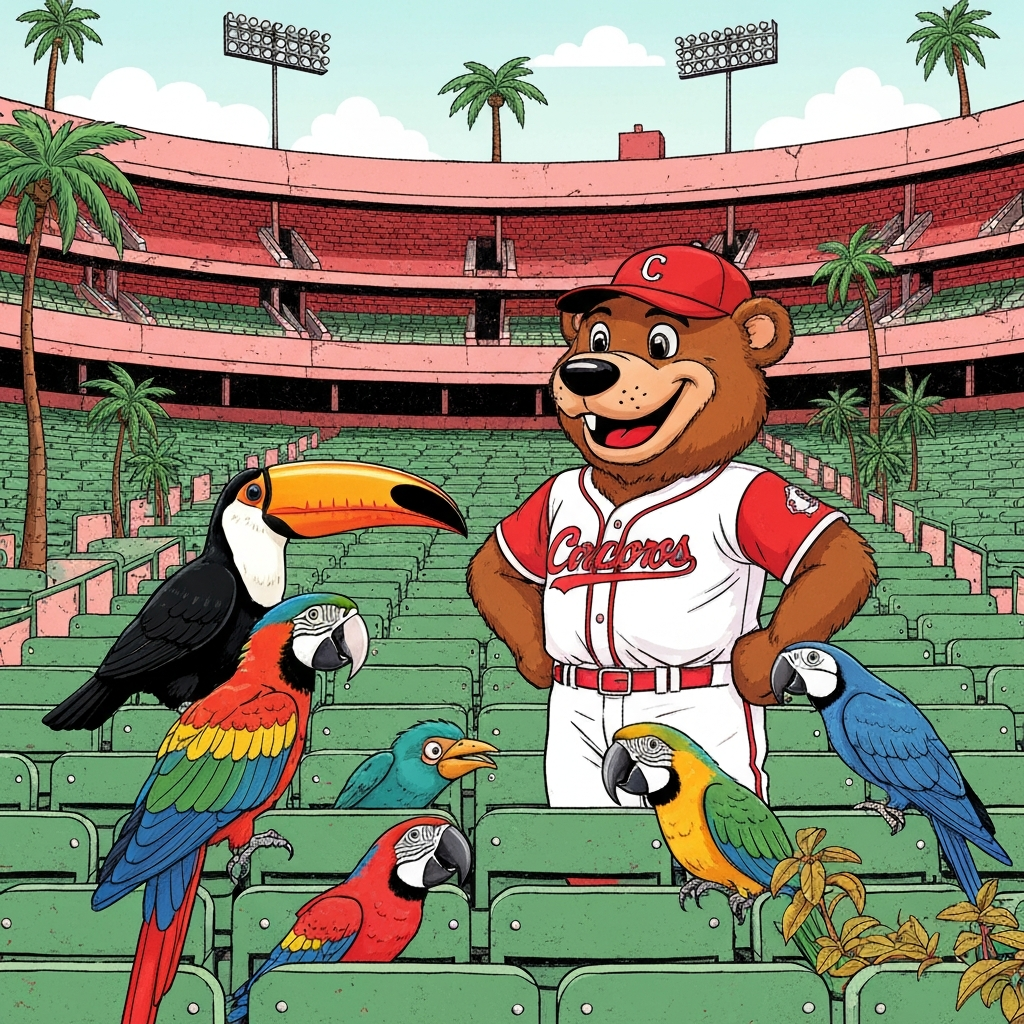
Yogi Berra got his famous nickname from a friend who thought he looked like a Hindu yogi — but the name also evokes another Yogi: Yogi Bear, the cartoon character created by Hanna-Barbera in 1958. The connection between athletes and animals, particularly exotic ones, has a long and fascinating history in American sports.
The Yogi Connection
The Yogi Bear character, which debuted three years into Yogi Berra's MVP stretch, created an amusing parallel that followed Berra throughout his life. Berra even considered suing Hanna-Barbera over the use of his name, though the studio always maintained the similarity was coincidental. Regardless, the connection between "Yogi" and bears became permanently fixed in American pop culture.
This wasn't the only animal connection in Berra's life. Growing up in St. Louis, young Yogi was surrounded by the natural world of Missouri. His childhood neighborhood on "The Hill" was close enough to the edge of the city that wildlife encounters were common — a far cry from the concrete jungle of the Bronx where he'd later make his name.
Athletes and Their Exotic Companions
Throughout sports history, athletes have been drawn to exotic and unusual animals. Some famous examples:
- Mike Tyson famously owned Bengal tigers, spending over $4,000 per month on their care
- Mario Balotelli kept a pet pig in his Manchester apartment
- Manny Ramirez (baseball) was known for his interest in exotic fish
- Adrian Peterson maintained an exotic animal collection including emus
- George Steinbrenner (Yankees owner during Yogi's era) was passionate about thoroughbred horses
Baseball Mascots and Animal Traditions
Baseball has a deep connection with animals through its mascots and traditions. The Baltimore Orioles, St. Louis Cardinals, Toronto Blue Jays, and Arizona Diamondbacks all take their names from animals. Rally monkeys, bat dogs, and even live eagles have become part of the game-day experience.
Understanding and caring for exotic animals and NAC (New Alternative Companion) pets requires specialized knowledge and commitment. Just as athletes dedicate themselves to their craft, exotic pet owners must invest time in understanding their animals' unique needs, habitats, and health requirements.
The Responsibility Factor
Yogi Berra was known for his sense of responsibility — to his team, his family, and his community. This same principle applies to animal ownership, particularly with exotic species. Responsible pet ownership requires:
- Thorough research into species-specific needs
- Proper habitat setup and maintenance
- Access to specialized veterinary care
- Understanding of local regulations and permits
- Long-term commitment to the animal's well-being
From Yogi to Yogi Bear and Beyond
The accidental connection between Yogi Berra and Yogi Bear reminds us that the relationship between humans and animals — whether domestic, exotic, or purely cultural — is woven into the fabric of our lives. As Yogi himself might say about exotic pets: "You can observe a lot by just watching" them — and sometimes that's the best way to appreciate nature's remarkable diversity.